The business world has undergone a remarkable transformation in recent years, with virtual offices emerging as a cornerstone of modern enterprise. This shift represents more than just a temporary trend—it's a fundamental reimagining of how businesses operate, communicate, and grow. Let's explore why virtual offices have become the new norm and what this means for Australian businesses.
The Global Evolution of Work
To understand the rise of virtual offices, we need to examine the broader evolution of work itself. Traditional office spaces emerged during the Industrial Revolution, when workers needed to be physically present to access tools, documents, and communicate with colleagues. However, the digital revolution has fundamentally changed these requirements. Today's cloud-based tools, high-speed internet, and sophisticated communication platforms have eliminated many of the historical reasons for maintaining a physical office.
Australia's Unique Position in the Virtual Office Revolution
Australia's geographical positioning has always presented both challenges and opportunities for businesses. Our relative distance from major global markets once posed significant barriers to international commerce. However, virtual offices have transformed this dynamic. Australian businesses can now maintain a professional presence in Sydney's CBD while serving clients in Melbourne, Singapore, or London—all without the traditional overhead costs of multiple physical locations.
The Environmental Imperative
As Australia grapples with environmental challenges, virtual offices have emerged as an unexpected ally in sustainability efforts. Consider the environmental impact of traditional office spaces: daily commutes, energy consumption for heating and cooling large offices, and the resources required for office construction and maintenance. Virtual offices dramatically reduce this environmental footprint, aligning with both corporate sustainability goals and growing consumer expectations for environmentally responsible business practices.
Economic Pressures and Smart Solutions
The Australian commercial real estate market has seen significant price increases in recent years, particularly in major business districts. This economic pressure has forced businesses to reconsider their spatial needs and expenses. Virtual offices provide a sophisticated solution, offering the prestige of a premium business address without the accompanying lease costs. For small businesses and startups, this represents the difference between projecting a professional image and struggling with unsustainable overhead costs.
The Technology That Makes It Possible
The reliability and sophistication of modern technology have been crucial in making virtual offices a viable alternative to traditional spaces. Australian internet infrastructure, despite its challenges, has evolved to support remote work effectively. Cloud-based systems allow teams to collaborate seamlessly, while virtual meeting platforms have matured to facilitate everything from casual check-ins to major client presentations. These technological advances have eliminated many of the traditional barriers to remote operations.
The Cultural Shift
Perhaps the most significant change has been cultural. Australian business culture, traditionally centred around physical presence and face-to-face meetings, has evolved to embrace virtual interactions. This shift accelerated dramatically during global disruptions, but it's important to understand that the groundwork was laid much earlier. Businesses had already begun questioning the necessity of physical offices, and employees had started valuing flexibility over traditional work arrangements.
Adapting to the New Normal
The transition to virtual offices requires thoughtful adaptation. Successful businesses have learned to maintain team cohesion and company culture without physical proximity. They've developed new protocols for communication, established clear boundaries between work and personal time, and found innovative ways to foster collaboration in virtual environments. This evolution in business practice has created new opportunities for innovation and efficiency.
The Future of Business Identity
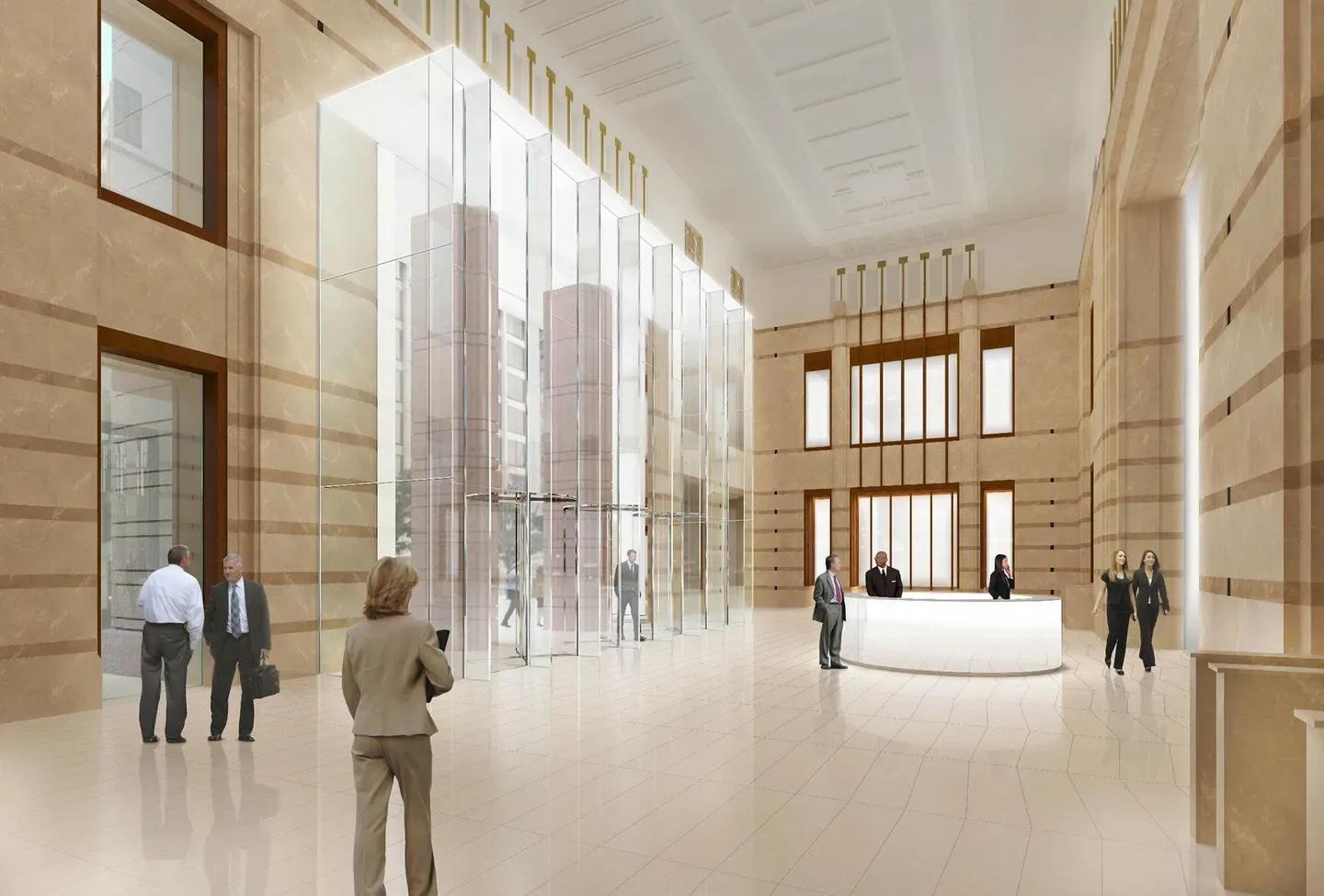
Virtual offices are redefining how businesses establish and maintain their identity. A professional address in a renowned business district still carries significant weight in establishing credibility. However, modern businesses are learning to complement this traditional marker of success with digital presence, responsive communication, and efficient virtual operations. This hybrid approach allows companies to maintain their professional image while operating with unprecedented flexibility.
The Impact on Work-Life Balance
The rise of virtual offices has profound implications for work-life balance, a crucial consideration in Australian culture. By eliminating commute times and offering flexibility in work hours, virtual offices enable professionals to better integrate their work responsibilities with personal life. This improvement in quality of life has become a significant factor in talent attraction and retention, particularly for businesses competing for skilled professionals.
Looking Forward
As we look to the future, virtual offices will likely become even more sophisticated and integrated into business operations. Emerging technologies like augmented reality and advanced collaboration tools will further enhance the virtual office experience. Australian businesses that embrace this evolution now are positioning themselves advantageously for the future of work.
The normalisation of virtual offices represents more than just a change in where we work—it's a fundamental shift in how we think about business operations, professional relationships, and workplace culture. For Australian businesses, this transformation offers unprecedented opportunities for growth, efficiency, and competitive advantage in the global marketplace.